
76574 Zip Code Guide | Taylor
76574 At a Glance
ZIP code 76574 covers most of Taylor, Texas, a growing community in Williamson County that sits east of Austin with its own downtown identity. It is often compared for its mix of small-town layout, expanding housing supply, and increasing regional job growth tied to large-scale industrial investment. The feel here is different from Austin ZIPs because daily life is more centered around Taylor itself, with Austin access functioning as a regional option rather than the default.
Key Characteristics
Location: Taylor, Texas with a regional position east of Austin and within the broader Central Texas growth path
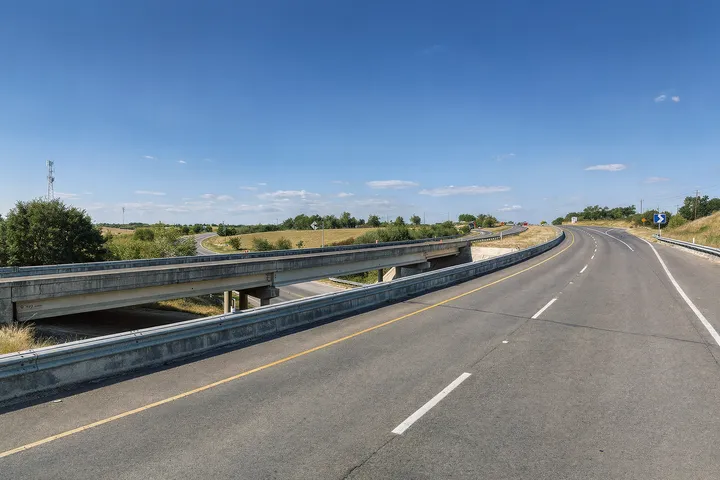
Major Access: US 79 and SH 95, with quick reach to TX 130 and TX 45 for wider metro connectivity
School Districts: Taylor Independent School District, with campus assignments verified by address through the district
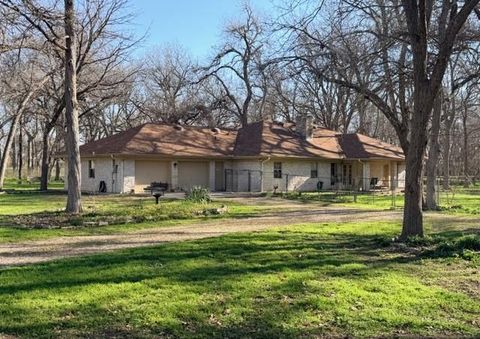
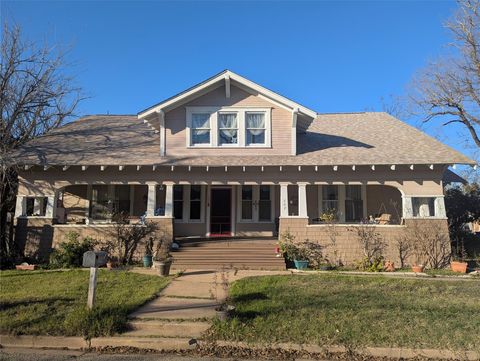
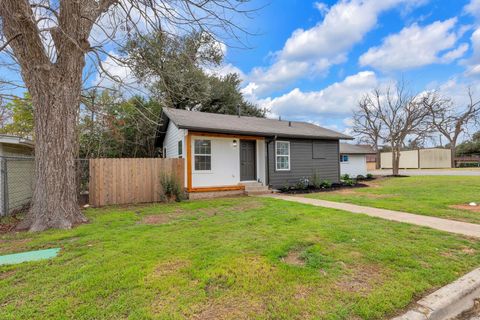
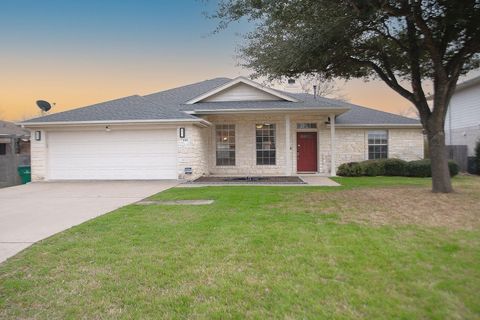
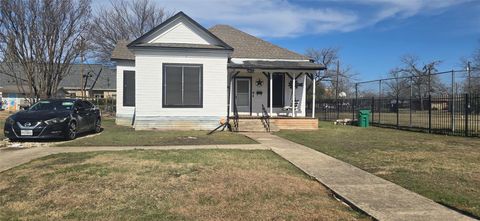
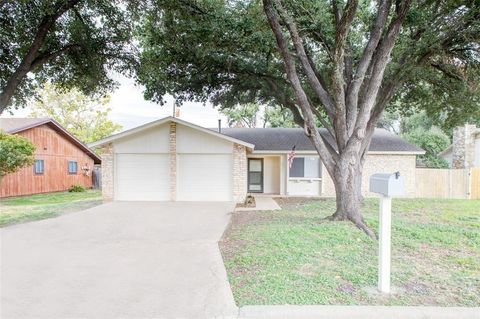
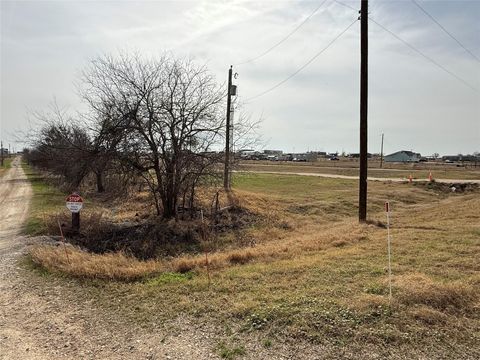
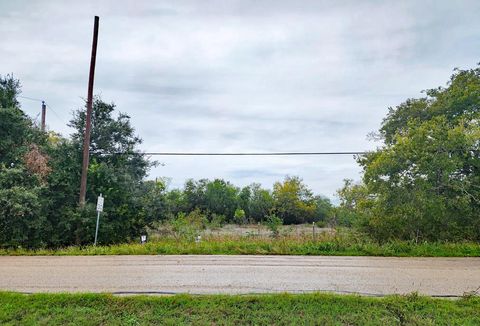
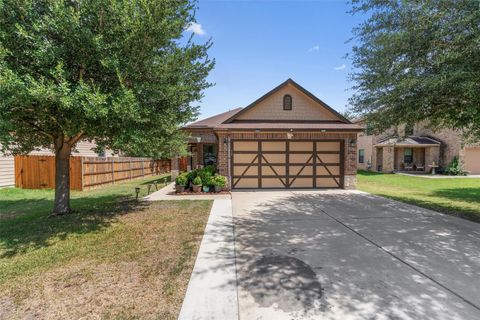
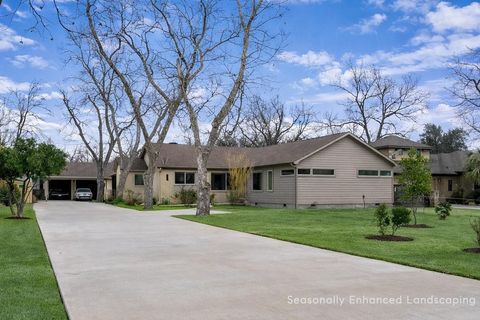
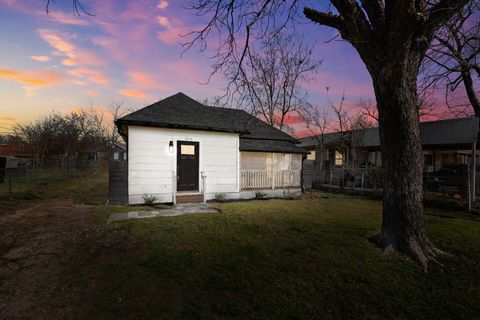
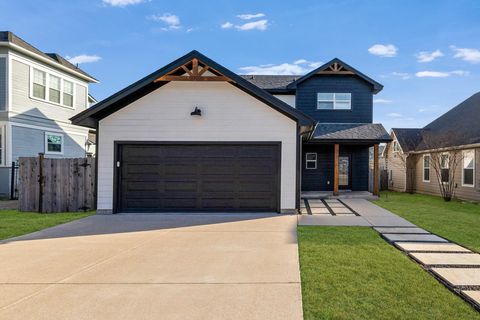
Housing Style: Mix of older in-town neighborhoods, newer subdivisions, and rural residential pockets on the edges of the ZIP
The Vibe: Small-city, community-rooted, and increasingly growth-oriented as new employment and development expand local demand
Price Point: Median Home Price Range (2026): $270,000 to $360,000
Considerations to Know
The ZIP includes both in-town neighborhoods and edge-of-city areas, so lot size, density, and daily routine can vary significantly by location.
Growth tied to large employers has increased attention on the area, but development timelines and infrastructure rollout should be viewed with realistic expectations.
Commute experience depends heavily on proximity to US 79, SH 95, or TX 130 rather than straight-line distance.
Current Active Listings:
Neighborhood Character & Housing Overview
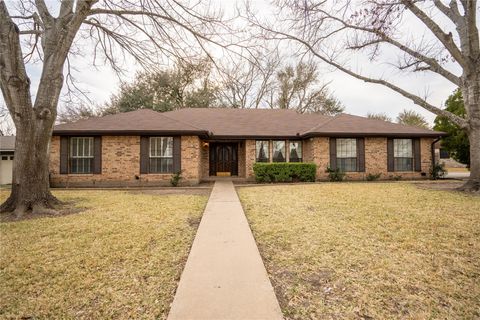
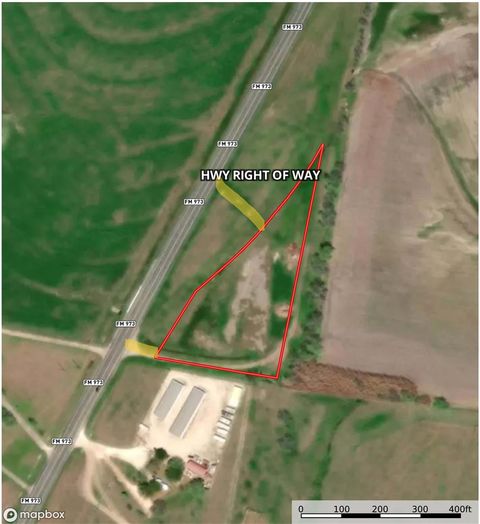
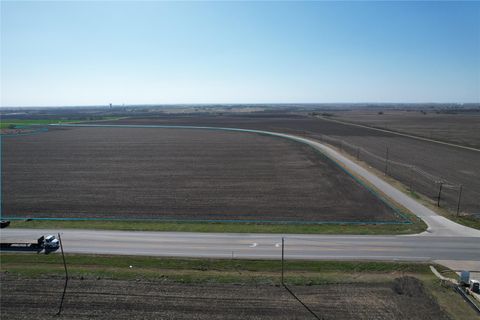
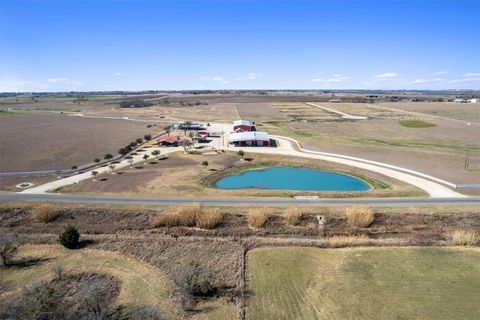
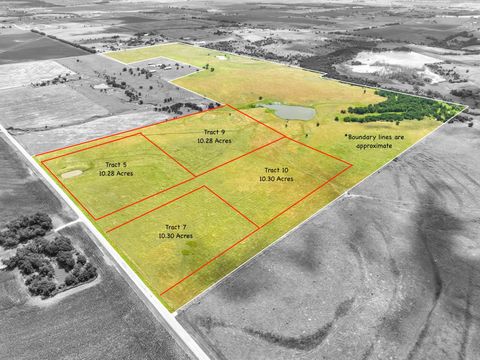
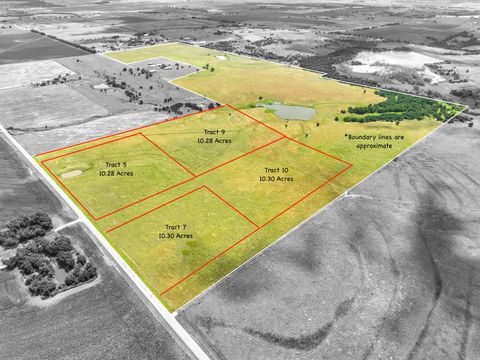
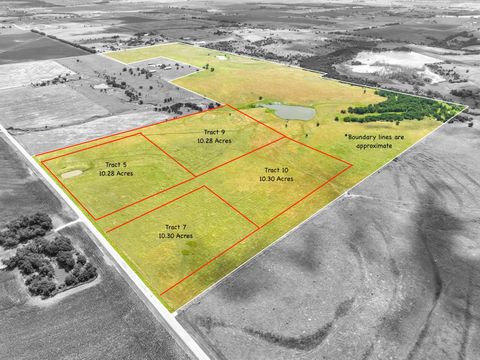
76574 includes a broad footprint, from historic blocks near downtown Taylor to newer subdivisions and larger parcels outside the core. That range creates meaningful differences in home style, lot size, and street layout. Buyers typically compare properties by micro-area, especially when deciding between established neighborhoods, newer construction, and edge-of-town areas that feel more rural.
| Feature | What You’ll Typically See in 76574 |
|---|---|
| Single-family homes, newer subdivisions, and rural residential properties | |
| | Older in-town homes plus substantial modern construction in newer neighborhoods |
| Wide range from in-town lots to larger edge-of-city parcels | |
| Traditional homes, suburban new-build styles, and updated remodels | |
| Mix of original-condition older homes and newer move-in-ready inventory | |
| Historic grids near downtown and subdivision layouts in newer areas |
76574 is best evaluated by neighborhood pocket and intended lifestyle. Downtown adjacency, subdivision age, and access to major roads can affect both daily routine and resale comparisons. Using recent comps that match the same micro-area and housing type will give the most accurate read.
Schedule a Consultation:
Market Snapshot
Market behavior in 76574 is influenced by growth expectations, new housing supply, and shifting demand tied to large employers. Metrics should be viewed as directional, then paired with comparable sales that match the same neighborhood type and build period. This ZIP can show different trends between older in-town homes and newer subdivisions, even within the same month.
Sales Price
Sqaure Footage
Price Negotiations
Days on Market
Total Sales
Explore and Compare Nearby Areas
Local Amenities & Access
Taylor’s amenities feel locally centered, with everyday life built around schools, parks, downtown services, and regional access routes. What makes 76574 stand out is that it offers both a small-city rhythm and expanding regional connectivity as nearby employment growth increases activity. Many residents balance local routines in Taylor with periodic trips toward Austin, Round Rock, or the broader metro for work or entertainment.
Employment & Commute Connectivity
76574 has practical regional connectivity through US 79 and SH 95, with access to TX 130 and TX 45 supporting wider reach across Central Texas. A major employment driver is Samsung’s semiconductor project in Taylor, which has brought long-term job and infrastructure focus to the area, even as project timelines have shifted. Commute patterns vary depending on where you live within the ZIP, but proximity to TX 130 is often a key factor for those traveling toward Austin-area job hubs.
School Zoning & Education
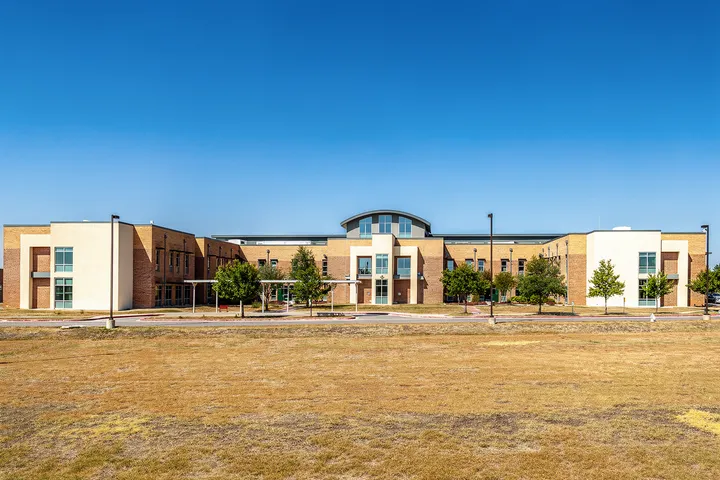
76574 is served by Taylor Independent School District, which operates district-wide campuses serving Taylor. Because school assignment depends on address and district boundaries rather than ZIP code alone, the best practice is to confirm the assigned campus through Taylor ISD directly when school planning is a priority. For buyers comparing Taylor to nearby communities, the key difference is that Taylor ISD is a separate district, so school decisions are typically evaluated at the district and campus level rather than through Austin-area feeder patterns.
Retail & Daily Services
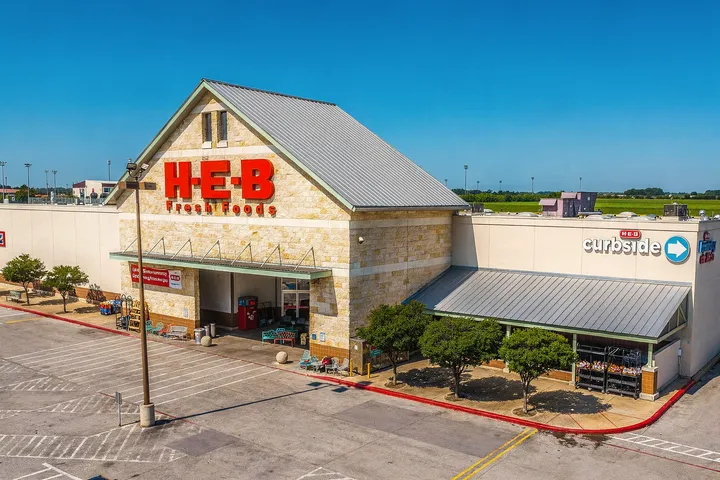
Retail routines in 76574 are centered around Taylor rather than Austin corridors. Daily needs are typically handled through local grocery and service options, with additional convenience provided by corridor businesses along major routes like US 79. For a more local feel, downtown Taylor functions as a true small-city center with restaurants, coffee, and community events that create a stronger “town hub” dynamic than many suburban areas. As growth continues, retail expansion often follows new rooftops, so the pattern here is evolving in step with development and employment activity.
Outdoor Amenities
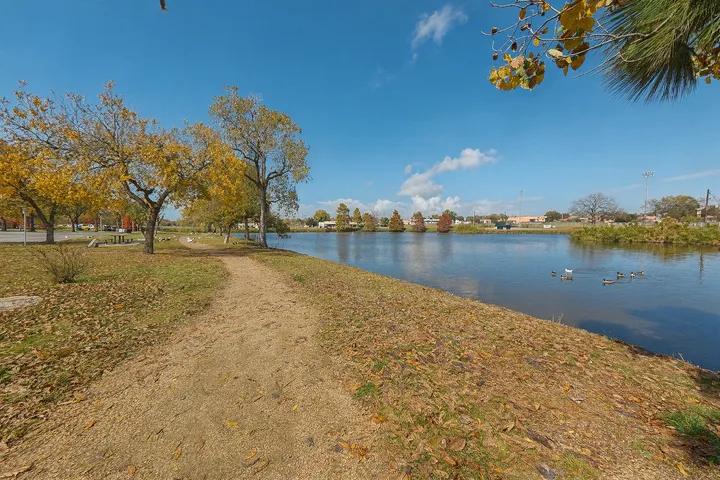
Outdoor access is a real strength in Taylor. Murphy Park is a major city park with a wide range of amenities including sports fields, courts, a pool, and gathering areas. The city also highlights over eight miles of hike and bike trails spread across multiple parks, which supports everyday walking and recreation. For larger water recreation and fishing, Granger Lake and its recreation areas are a popular nearby option with camping and lake access.
Buyer and Seller Considerations in 76574
76574 is a growth-influenced market where outcomes can depend on whether a home is positioned as a primary residence, a longer-term appreciation play, or a new-construction alternative to Austin pricing. Neighborhood type matters here more than ZIP-wide averages, especially when comparing older in-town homes to newer subdivisions.
For Buyers:
If you are comparing older in-town homes, focus on major system updates and flood or drainage history, since condition can vary widely by block.
If you are comparing newer subdivisions, evaluate builder quality, HOA structure, and the specific corridor access you will use most often.
Use commute routing as a decision filter early, since access to TX 130 and your preferred direction of travel can change daily convenience.
Treat Samsung-driven growth as a long-term factor, not a short-term guarantee, since timelines and rollouts have shifted.
For Sellers:
Price based on recent neighborhood-pocket comps, since buyer expectations differ significantly between historic areas and newer subdivisions.
Highlight functional advantages like corridor access, lot size, and move-in readiness, since those often drive shortlist decisions in a growing market.
Be specific about updates and maintenance records, especially for older homes where buyers expect variation in systems and renovation quality.
Position the home honestly in relation to major growth drivers, focusing on access and stability rather than over-promising future development.