
78705 Zip Code Guide | North University and West Campus
78705 At a Glance
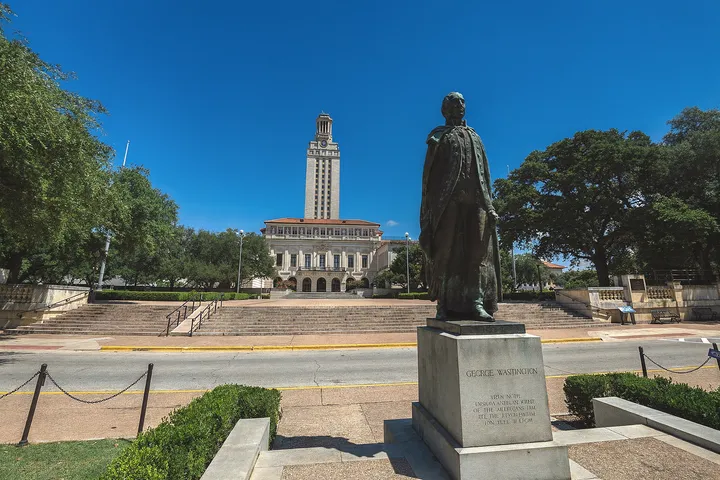
The 78705 ZIP code covers the North University and West Campus areas immediately surrounding The University of Texas at Austin. This is one of the most centrally located ZIP codes in Austin and functions very differently from traditional residential neighborhoods. Housing demand here is driven primarily by proximity to UT Austin, resulting in a rental-heavy market with a strong concentration of investors, student housing, and small multifamily properties. While owner-occupants do exist, most purchases in 78705 are evaluated through an investment or income-producing lens.
Key Characteristics
Location: Central Austin directly adjacent to UT Austin
Major Access: Guadalupe Street, Martin Luther King Jr Boulevard, 24th Street, and Lamar Boulevard
School Districts: Austin ISD, UT Austin
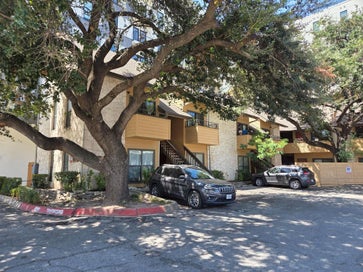
Housing Style: Small multifamily, condos, student-oriented housing, and limited single-family homes often used as rentals
The Vibe: Dense, walkable, and university-driven with constant turnover
Price Point: Median Home Price Range (2026): $300,000 to $400,000
Considerations to Know
Rental demand and lease cycles are closely tied to the UT academic calendar
Noise, parking, and density are part of daily life in many parts of the ZIP
Zoning, overlays, and permitted use play a major role in property value
Current Active Listings:
Neighborhood Character & Housing Overview
Housing in 78705 reflects decades of university-driven development. Many properties were built or adapted specifically to serve student and faculty populations, which is why density, unit count, and layout often matter more than traditional residential features. Single-family homes do exist, but many have been converted to rentals or redeveloped into duplexes and small apartment structures. Compared to lifestyle-oriented ZIPs, 78705 behaves more like an urban campus market than a neighborhood market.
| Feature | What You’ll Typically See in 78705 |
|---|---|
| Condos, small multifamily, and rental-oriented single-family homes, predominantly investor-owned | |
| | Mid-century through ongoing redevelopment |
| Compact urban lots | |
| Functional, transitional, and redevelopment-focused | |
| Varies widely based on rental use and reinvestment | |
| Dense grid with limited off-street parking |
In 78705, pricing and demand are driven less by aesthetics and more by income potential, location relative to campus, and zoning allowances. Buyers typically compare properties based on rent performance and redevelopment options rather than curb appeal alone.
Schedule a Consultation:
Market Snapshot
Market behavior in 78705 is closely tied to rental cycles rather than traditional owner-occupant trends. Inventory, pricing, and negotiation patterns often reflect anticipated lease demand, proximity to campus, and unit configuration. Metrics are most useful when interpreted alongside rental income assumptions and current campus-driven demand rather than median home prices alone.
Sales Price
Sqaure Footage
Price Negotiations
Days on Market
Total Sales
Explore and Compare Nearby Areas
Local Amenities & Access
Amenities in 78705 are defined by proximity and function rather than destination living. The ZIP operates as a walkable extension of UT Austin, with daily life oriented around campus access, transit corridors, and nearby services that support a high-density population.
Employment & Commute Connectivity
78705 offers immediate access to UT Austin and surrounding academic, medical, and research facilities, making it one of the most commute-efficient ZIP codes in the city for campus-related employment. Many residents walk or bike daily, while others rely on short transit routes along Guadalupe Street and Lamar Boulevard. Downtown Austin and the State Capitol are also within a short distance, supporting secondary employment access. Commute times here are typically measured in minutes, and car dependency is lower than in most Austin ZIP codes.
School Zoning & Education
The 78705 ZIP code is served by Austin ISD and is commonly associated with Austin High School, depending on address. K–12 enrollment patterns are less central to housing decisions here due to the renter-heavy population. Proximity to The University of Texas at Austin is the defining educational influence, shaping housing demand for students, faculty, and university-affiliated professionals. Access to campus facilities, libraries, and academic resources is a major factor in why this ZIP continues to attract consistent rental demand.
Retail & Daily Services
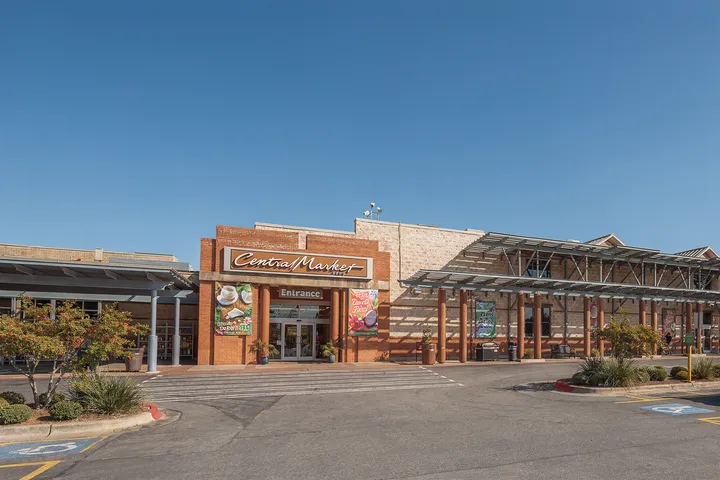
Retail in 78705 is built around high-frequency, everyday use rather than boutique shopping. Guadalupe Street, commonly known as The Drag, anchors the area with restaurants, coffee shops, convenience stores, and services that cater to students and faculty. Grocery options and quick-service dining are easily accessible on foot, supporting dense residential patterns. Larger retail needs are often met just outside the ZIP, but many residents rely on nearby essentials rather than destination shopping, reinforcing the area’s functional and campus-driven character.
Outdoor Amenities
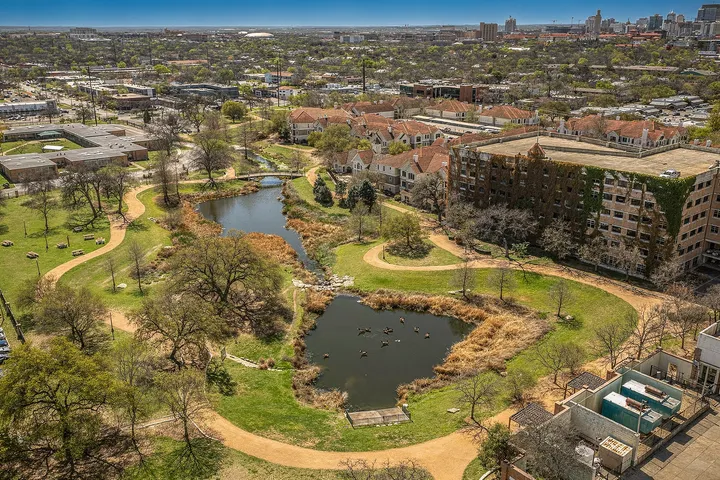
Outdoor access in 78705 is more limited compared to other central Austin ZIP codes, but nearby assets still play a role. Hemphill Park, Pease Park, Central Park and smaller green spaces provide localized outdoor relief, while Shoal Creek and the connected trail system offer walking and biking access just west of the ZIP. Many residents also use campus green spaces as part of daily routines. Outdoor activity here tends to be supplemental rather than a primary lifestyle driver, reflecting the area’s density and academic focus.
Buyer and Seller Considerations in 78705
78705 operates as a fundamentally different market than most Austin ZIP codes. Successful strategies typically focus on income performance, zoning allowances, and long-term demand tied to the university rather than traditional residential appeal.
For Buyers:
Most purchases are evaluated based on rental yield and lease stability rather than personal use. Understanding historical rent performance is essential.
Zoning, overlays, and permitted unit count can materially impact value and future flexibility. These factors should be reviewed early.
Proximity to campus entrances and transit corridors often matters more than lot size or interior finishes.
For Sellers:
Pricing works best when tied to income potential and comparable investment sales rather than owner-occupied comps. Buyers are analytical here.
Clear documentation of leases, rent rolls, and zoning compliance reduces friction and supports stronger offers.
Timing listings around academic cycles can influence buyer interest and urgency, particularly for student-oriented properties.